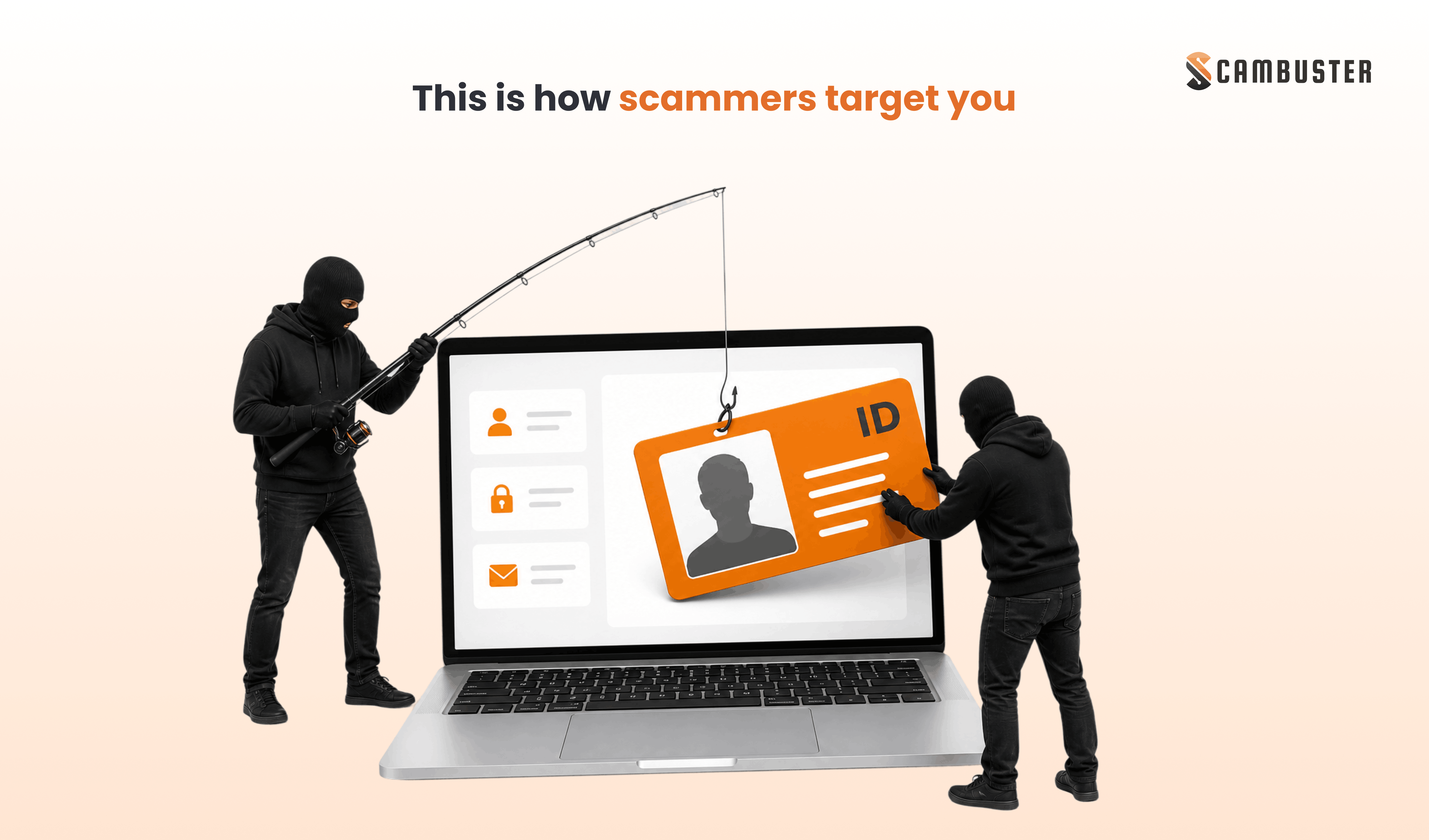
In a world where we can handle almost everything from ordering food to paying bills with just a few taps on our phones, finding a personal loan has become incredibly easy. Whether you need money for school fees, a medical emergency, or to pay off other debts, digital lending is a quick fix. However, this convenience also brings significant risks. Scammers are always looking for ways to trick people, so it is vital to know how to avoid loan scams and stay safe.
Just as it is important to check if a university is real (the UGC has a list of 32 fake universities you should avoid), you must be just as careful with your money. Falling for a financial scam can hurt your bank account and even lead to identity theft.
Here is what you need to know to protect your finances.
Why These Scams Are So Dangerous
The rise of digital loan apps in India is a growing nightmare. These apps seem helpful, especially for those who cannot get loans from regular banks. However, it is a trap. Because it has become quite hard to tell which is a genuine and reliable loan and which one is a scam. These fraudulent apps work by providing too-good-to-be-true loan offers and using the user’s information against them.
Once a person downloads the app and shares their identity documents, the scammers take control. They often send only half the requested amount and then demand that the victim pay back three times that figure within days. If the victim cannot pay, the scammers use the stolen data from the victim’s phone, like private photos and contact lists, to blackmail and harass them. They threaten to send embarrassing, fake pictures to family, friends, and coworkers.
A tragic incident in Visakhapatnam highlights the devastating impact of illegal loan apps. A 25-year-old fisherman, Narendra, took a small loan of Rs 2,000 during a difficult financial period. Despite repaying the principal, he was relentlessly harassed by the app’s operators for excessive interest.
The scammers blackmailed Narendra and his wife by morphing and sharing offensive photos with his friends and contacts. Driven to despair by this abuse and public humiliation, he died by suicide shortly after his wedding. This heartbreaking case serves as a warning about the dangers of using unauthorized lending platforms and the critical need for vigilance.
To stay safe, never download unknown lending apps or share personal identity documents online. If you are being harassed, reach out to the 1930 helpline immediately for help.
How Scammers Try to Trick You

Scammers are smart, and they often try to look professional. Watch out for these common “red flags”:
- “Fake Lenders”: They build websites that look like real banks, offering “quick loans” with very low interest rates. They might ask you to pay a fee before they give you the loan, or they might just want to steal your personal information.
- Phishing: You might get a random text, email, or phone call pretending to be from a bank. They will try to scare you or rush you into giving them your bank account details or a password.
- Advance Fee Fraud: This is a big warning sign. If a lender asks you to pay a “processing fee” via a gift card, cryptocurrency, or a random money transfer app before you even get the loan, it is a scam. Real banks take their fees out of the loan money they send you; they don’t ask you to pay them first.
- Identity Theft: This is the most serious one. If someone steals your personal documents—like your PAN card, [Aadhaar Redacted], or bank statements—they can take out a loan in your name. This could ruin your credit score and make you responsible for a debt you didn’t even create.
How To Avoid Loan Scams
Before you click “Apply” on any loan website, follow these simple steps:
- Check the Official Source: Always visit the official Reserve Bank of India (RBI) website. They have a list of all the real, registered lenders. If the company isn’t on that list, do not use it. Take a look at RBI Guidelines to stay vigilant.
- Look for the Lock: Check the website’s address bar. It should start with https://. That extra “s” means the site is encrypted and safer to use.
- Stay Skeptical: If an offer seems too good to be true, like a huge loan with no questions asked, then it probably is.
- Protect Your Info: Never share your personal documents or banking passwords over the phone or email. Only give information on the official, secure website of a bank you have already verified.
Know Your Rights
If you already have a loan, remember that you have rights. The RBI has rules about how companies can ask for repayments. They are not allowed to harass you or use aggressive tactics. If someone is treating you unfairly, you can report them through official channels.
Need Extra Help? Get Scambuster
Ready to take a stand against digital fraud? The Scambuster platform is your dedicated partner in creating a safer online environment. Don’t let scammers compromise your financial security or personal privacy.
Take control today:
- Share Your Experience: Help others stay vigilant by sharing your scam stories within our secure community.
- Report Illegal Activity: We provide the tools and guidance to report fraudulent apps and scams directly to law enforcement authorities.
- Verify Email Safety: Install our advanced workspace extension to detect and analyze phishing attempts in real-time, keeping your inbox secure from malicious links.
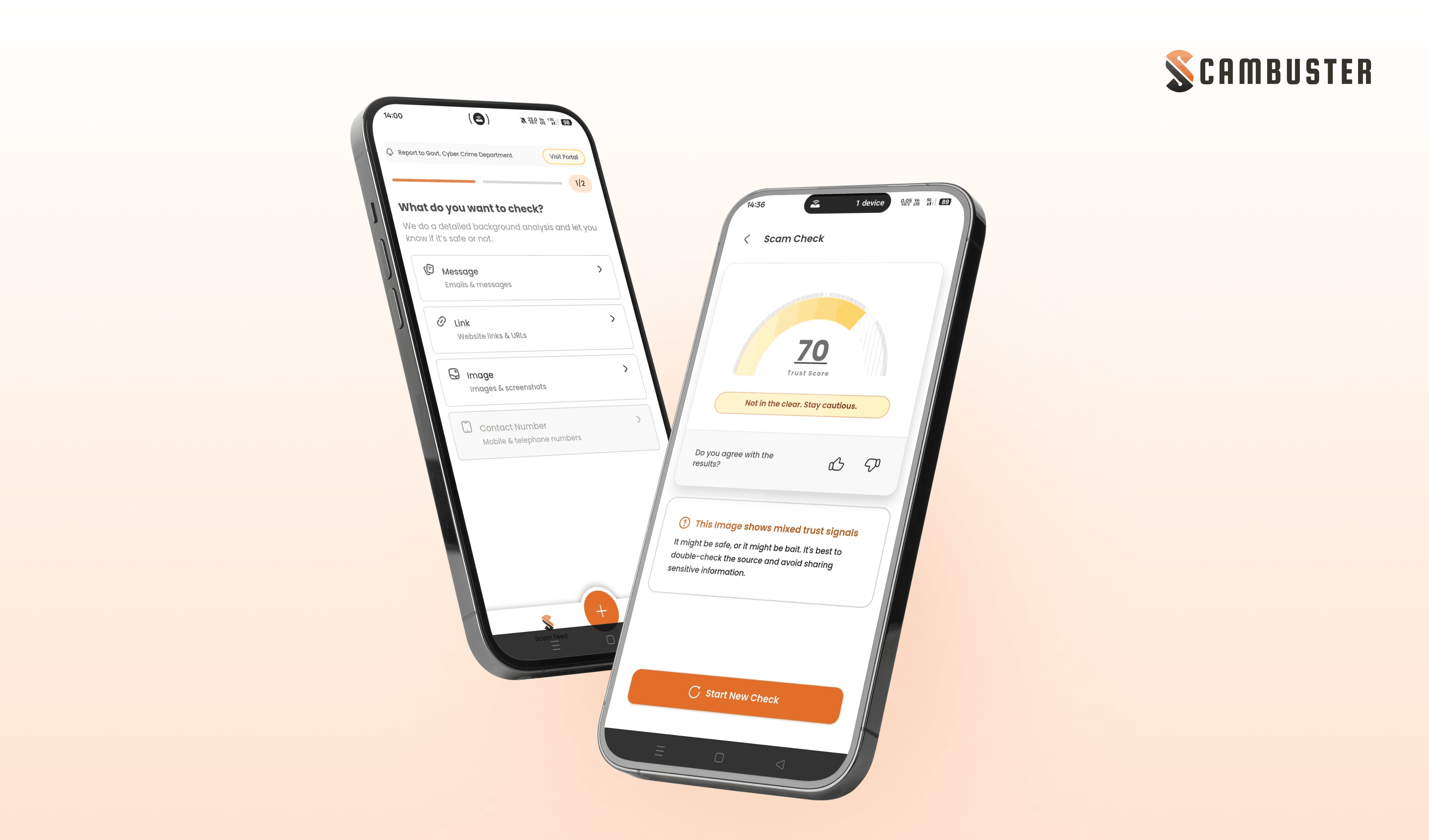
You don’t have to face predatory loan apps or online threats alone. By joining Scambuster, you contribute to a proactive network of awareness and defense. Protect your identity, secure your hard-earned money, and help shut down fraudulent operators for good.