
Cyber scams are no longer rare or shocking. They have become part of daily life in India. Almost everyone knows someone who has received a fake call, message, or WhatsApp link asking for money or personal details. Many people have lost their life savings within minutes.
These scams do not happen by accident. They are organised crimes, run by networks across states and even countries.
Read The Full Blog On Scams Explained to Ensure Your Safety!
A Recent Case That Shows the Reality
In a major crackdown, the Delhi Police Cyber Crime Cell busted a large interstate investment fraud racket with international links. Eight people were arrested across four states. The accused cheated people by offering fake investment schemes and then sent the stolen money to handlers operating from Cambodia, using Indian mule bank accounts.
According to DCP Amit Goel, the police linked 63 cybercrime complaints to this gang. In just 14 days, nearly ₹4 crore was deposited into mule accounts. The case came to light after a woman from Vasant Kunj lost ₹15.58 lakh when fraudsters contacted her on WhatsApp, posing as stock market experts promising guaranteed returns.
This was not an isolated case. It was part of a much bigger problem.
Jamtara: When Scamming Became a Way of Life
If you have heard the word “Jamtara”, you know it no longer refers only to a place. For many Indians, it became a warning.
Jamtara is a district in Jharkhand that gained fame for cyber scams. Over the last 15 years, young men there used mobile phones to cheat people across India. Huge houses appeared in poor villages. Scam money replaced farming income. As some residents openly said, “Scamming became the new farming.”
With every new digital service like UPI, online shopping, wallets, and crypto, scams also evolved. Scam calls became common everywhere.
Police made arrests, but cases moved slowly. Bail was easy, and conviction rates were low. This allowed scams to continue.
Scams Explained : Why They Grow So Fast!
Scams work because they use fear, urgency, and trust.
Scammers pretend to be:
- Bank officials
- Police officers
- Government authorities
- Investment experts
They scare people by saying:
- Your account will be blocked
- You are under investigation
- You will be arrested
- You will lose a big opportunity
They rush you so you don’t think clearly. Once money is sent, it is very hard to recover.
Common Types of Scams You Must Know
1. Fake Investment Scams
Scammers promise high or “guaranteed” returns through stocks, crypto, or trading apps. They use WhatsApp and fake screenshots to gain trust.
Truth: No investment gives guaranteed profits.
2. Digital Arrest Scams
Scammers pose as police or CBI officers and threaten arrest over video calls.
Truth: Police do not arrest people over phone or video calls.
3. KYC Expiry Scams
You are told your bank account or ATM will stop working unless you update KYC immediately.
Truth: Banks never ask for OTP, PIN, or passwords on calls.
4. QR Code Scams
You are asked to scan a QR code to “receive money.”
Truth: QR codes and UPI PINs are only used to send money, not receive it.
5. Fake Customer Care Numbers
Scammers post fake helpline numbers online and steal details when you call.
Truth: Always use official websites or bank apps for contact numbers.
You want one clean, flowing section that reads like a human actually thought about it. Fine. Here it is, merged and connected.
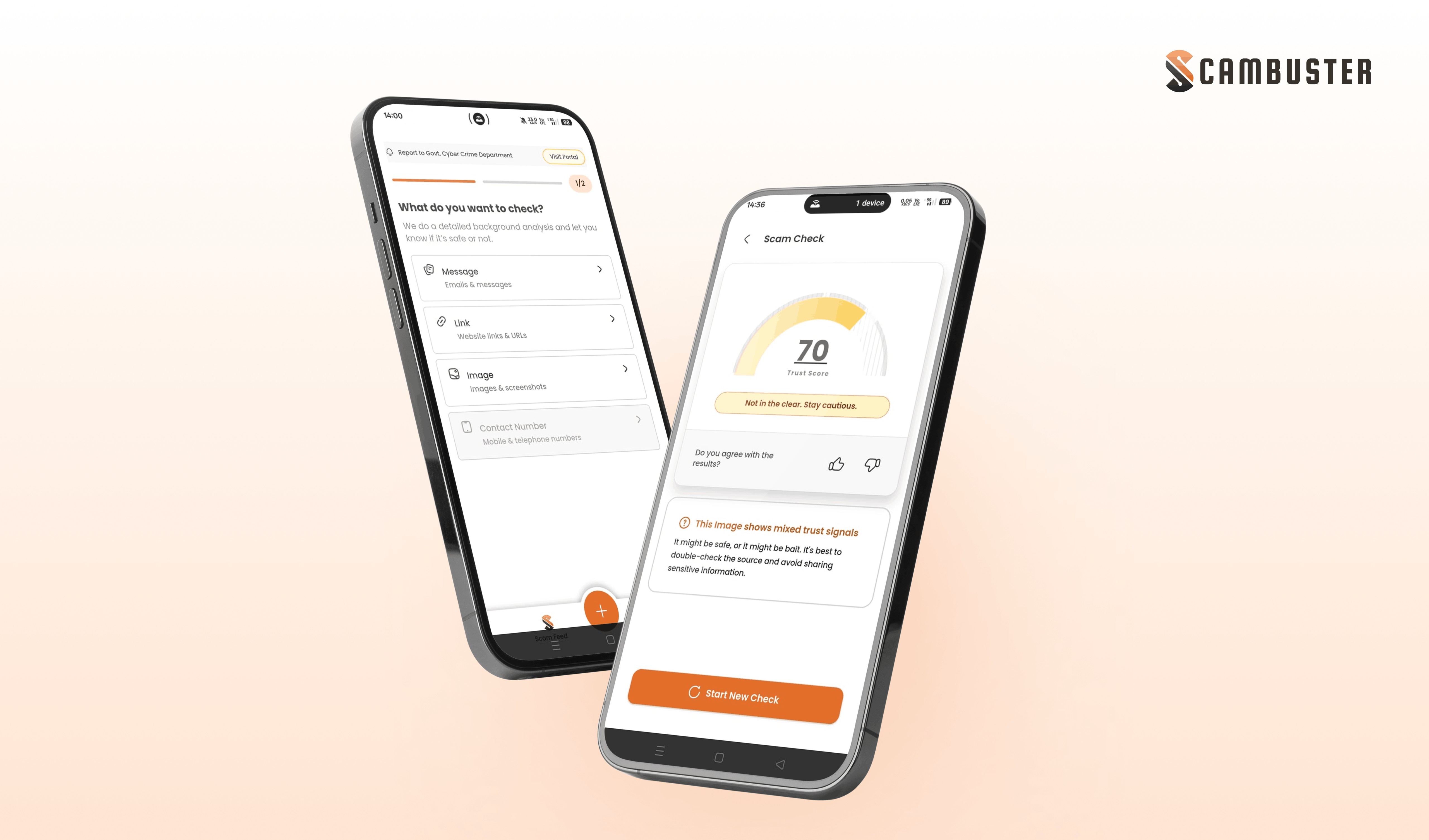
Staying Safe From Scams with Awareness and Scambuster
Staying safe from scams does not require advanced technical knowledge or special tools. It starts with calm thinking. Scammers succeed when people panic, feel rushed, or are afraid. The moment you slow down, their power weakens.
Never share your OTP, PIN, CVV, or passwords with anyone, no matter how official or urgent they sound. Banks, police, and government agencies never ask for such details over phone calls or messages. Be cautious of offers promising “guaranteed returns,” as real investments always involve risk. If something sounds too good to be true, it usually is.
Always verify information using official websites or trusted sources. Before sending money or sharing personal details, speak to a family member or close friend. A simple conversation can prevent a serious loss. It is also important to educate elders and children about common scams, as fraudsters often target those who are less familiar with digital systems.
This is where Scambuster strengthens your protection. Scambuster helps people stay safe by spreading awareness before damage occurs. It regularly updates users about new and active scams across India, helping them recognise warning signs early. Through its community-based reporting system, users can report suspicious calls, messages, links, or payment requests. When many people report similar scams, Scambuster alerts others, stopping the fraud from spreading.
By offering simple explanations and real-time alerts, Scambuster gives people the confidence to pause, verify, and protect their money before it’s too late.