
The Delhi Cyber police recently completed a massive, 48-hour operation called Operation CyHawk 4.0 from April 6 to April 8, 2026. This was not a normal police action. Instead of waiting for crimes to happen, the police used data and smart technology to attack the financial networks of online scammers across 20 states and Union Territories in India.
More than 5,000 police officers, divided into 600 teams, conducted sudden raids at the exact same time. The operation brought in 8,371 suspects for questioning. Out of these, 1,429 people were arrested or legally detained because the police found clear proof linking them to major online scams.
Even wealthy individuals were caught. For example, the son of a famous restaurant owner in Delhi was arrested. He had lost money in his business, so he let criminals use his company bank account to hide stolen money in exchange for a small 3% commission. This shows that cybercrime now involves all kinds of people in society.
Tracking ₹519 Crore of Stolen Money By Cyber Police
The main goal of this operation by the cyber police was to stop the flow of stolen cash. Online scammers use complex bank networks to hide the money they steal. In this operation, the police successfully traced ₹519 crore of stolen money directly to bank accounts run by these criminal groups.
To freeze these accounts and stop the criminals, the Delhi Police filed 499 new official cases (FIRs). They also used the new evidence to solve 324 older cybercrime cases that were stuck for a long time, finally bringing justice to past victims.
The cyber police did not just go after the low-level callers. They targeted the main pillars that keep online scams running:
- Mule Bank Accounts: Accounts belonging to regular people who rent them out to criminals. The scammers use these accounts to move and hide stolen money.
- Cash Withdrawal Agents: Groups of people whose only job is to quickly take cash out of ATMs or use illegal cash networks (hawala) before the police can freeze the accounts.
- Illegal Call Centers: Hidden fake offices in Delhi and nearby areas that call thousands of people daily to trick them.
Using Smart Technology and Data To Fight Scammers
Operation CyHawk 4.0 by the Delhi Cyber Police succeeded because of teamwork and data science. The Delhi Police worked closely for a month with the Indian Cyber Crime Coordination Centre (I4C) under the Ministry of Home Affairs.
They map out “cyber hotspots” (areas where most scammers operate) and analyze suspicious bank moves. Thanks to this tech support, the police linked 3,564 consumer complaints from the National Cyber Crime Reporting Portal directly to the criminals’ phone numbers and bank accounts.
The raids took place in major cybercrime hubs in states like Maharashtra, Uttar Pradesh, Rajasthan, and West Bengal. Police seized thousands of laptops, hard drives, fake SIM cards, card swipe machines, and debit cards. They also sent 2,203 legal notices to other people suspected of helping these networks.
But the main question … What are these high-profilehigh profile scams that made the police take such drastic measures ? Do the scammers have some high-endhigh end technology?
The thing is, online scammers do not just use technology anymore. They use psychological tricks to scare people.
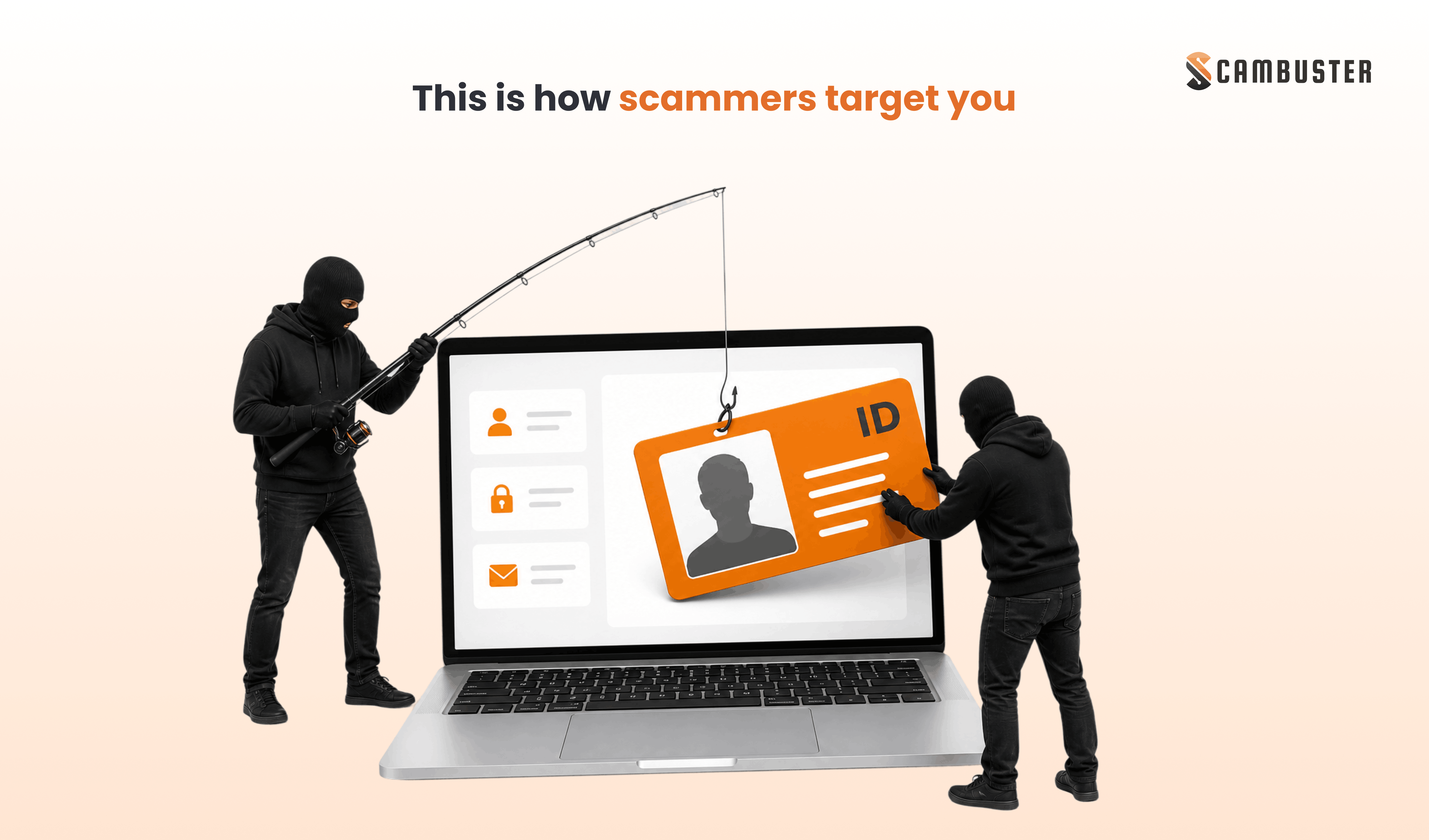
What Are The Most Common Online Scams In India
1. Digital Arrest Scams
Scammers call victims on video apps like Skype or Zoom, dressing up as senior police officers or tax officials. They lie and say a package filled with illegal items or fake money has been found in the victim’s name. They tell the victim they are under “digital arrest” and cannot hang up the phone or talk to family. Out of fear, the victims transfer large amounts of money to “government verification accounts,” which are actually just the scammers’ private accounts.
2. Fake Job Offers
Criminals run fake call centers that send mass text messages promising easy money by working from home. They trick people looking for jobs into paying fake fees for registration, document checks, or medical clearance, and then they disappear with the money.
3. Customer-Care Frauds
Scammers put fake customer care numbers on Google Maps or search results for popular banks and airlines. When a regular citizen searches for a helpline number to fix a banking issue, they accidentally call the scammer. The scammer then tricks them into sharing their passwords or downloading apps that let the criminal see and control their phone screen.
Simple Safety Rules from the Delhi Police
The Delhi Police issued a public warning to remind everyone that awareness is your best defense. Real police officers and government officials will never demand money over a video call, and they will never threaten to arrest you over Skype or Zoom.
Follow these simple rules to keep your money safe:
- Keep your details secret: Never share your OTPs, banking PINs, passwords, or personal identity numbers with anyone. Bank staff will never ask for them.
- Double-check helpline numbers: Never trust phone numbers you find on random Google searches or social media images. Only use the official app of your bank or look at the back of your physical ATM card.
- Do not panic: If a caller creates a false emergency, demands money quickly, or tells you to keep the call a secret, hang up immediately. Call your bank or the real police to check.
Protect Yourself Online
Operation CyHawk 4.0 shows that the cyber police are working hard to stop cybercriminals. However, new scam groups appear every day, so you must remain careful.
Do not take any chances with your digital safety. If you get a strange phone call, find a suspicious website, or feel like a bank transaction is wrong, act fast.
Visit Scambuster right now to join a platform that keeps you updated on the latest scam trends, helps you report directly to the cyber police, and lets you share your personal scam stories with others to fight back against scammers.
Stay alert and keep your money safe!
Frequently Asked Questions
FAQ 1: What is Operation CyHawk 4.0?
Operation CyHawk 4.0 is a massive, 48-hour coordinated pan-India raid conducted by the Delhi Cyber Police to crush the network of cybercriminals. The proactive crackdown targeted illegal call centers, money siphoning agents, and technical systems across 20 Indian states.
FAQ 2: How much money was involved in the CyHawk 4.0 cyber fraud?
Investigators successfully traced and mapped over ₹519 crore in stolen money hidden across organized crime networks. The police registered 499 fresh FIRs and checked suspicious money trails to freeze these illegal assets.
FAQ 3: How many suspects were arrested during Operation CyHawk 4.0?
Out of 8,371 suspects rounded up for questioning, 1,429 individuals were either formally arrested or legally detained based on strong digital evidence. The massive operation involved more than 5,000 elite police personnel launching simultaneous raids.
FAQ 4: What are mule bank accounts in online scams?
Mule accounts are bank accounts belonging to regular citizens who rent them out to scammers for easy commissions. Cybercriminals use these accounts to rapidly deposit, transfer, and hide stolen money from authorities.
FAQ 5: What is a digital arrest scam?
It is a psychological trick where scammers pose as senior police or government officials over video calls to terrify victims. They claim the victim’s identity is tied to an illegal package and force them to transfer money to stay out of jail.
FAQ 6: How did the I4C support the Delhi Cyber Police in this operation?
The Indian Cyber Crime Coordination Centre (I4C) provided critical, real-time data analysis and hotspot mapping to track scam centers. This data science allowed police to connect 3,564 portal complaints straight to active criminal networks.
FAQ 7: Which states were targeted during the CyHawk 4.0 raids?
The operation hit major cybercrime hubs across 20 states and Union Territories, including West Bengal, Maharashtra, Uttar Pradesh, and Rajasthan. Police teams seized thousands of illegal SIM cards, laptops, and debit cards during the blitz.
FAQ 8: Can a real police officer place you under digital arrest?
No, Indian law enforcement agencies and government officials never use video calls on Skype or Zoom to conduct arrests. Real police will never ask you to transfer money into an account for verification.
FAQ 9: What should I do if I get a suspicious fake job offer?
Never pay upfront fees for registration, onboarding, or training documents requested via mass texts or WhatsApp messages. Hang up immediately, ignore the messages, and report the source using the [Scambuster] platform.
FAQ 10: How can I protect my bank accounts from customer care scams?
Never search for bank or airline customer care helplines on Google Maps or random web search entries. Always find verified contact numbers directly from your official banking application or on the back of your credit/debit card.